

Maintain a Healthy Smile with Dental Hygiene in Adelaide
Professional Teeth Cleaning for a Healthier, Fresher Smile
Dental Hygiene in Adelaide
Dental hygienists are an essential part of modern preventative dentistry. Their specialised training enables them to clean teeth effectively and provide comprehensive advice on plaque removal.
At Hallett Cove Smiles, our hygienists are skilled in explaining the latest techniques in oral home care, with personalised guidance tailored to the needs of both adults and children.
They work closely with our dentists to offer a range of services, including scaling and cleaning, polishing of fillings, dietary counselling, construction of sports guards, teeth whitening, radiographs, and the treatment and prevention of gingivitis and periodontal disease.
To book an appointment with our dental hygienists or learn more about our preventive dental services, contact Hallett Cove Smiles at 08 8387 1733. Our team is here to support your journey to optimal oral health.
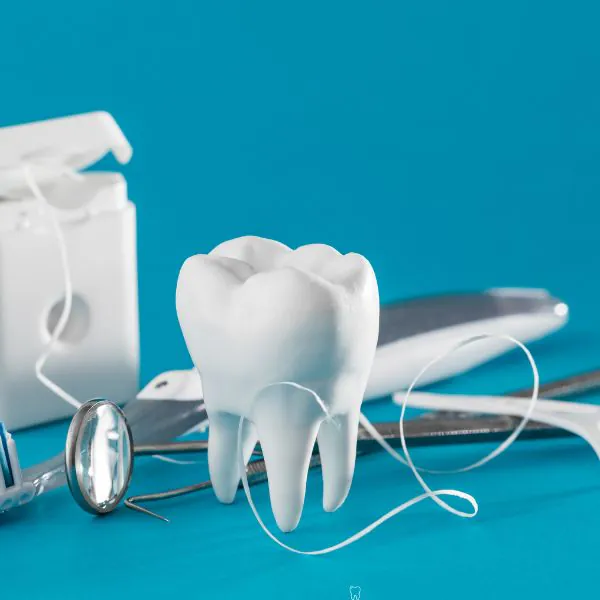
frequently asked dental hygiene questions
Below our the questions and answers we get asked the most about dental hygiene in our two Adelaide dental clinics.
What is the role of a dental hygienist?
A dental hygienist is a licensed dental professional specializing in preventive oral health. Their primary role is to clean patients' teeth and educate them on proper oral hygiene practices. This includes removing plaque, tartar, and stains from teeth, conducting periodontal therapy, and applying sealants and fluoride treatments. Dental hygienists also perform oral cancer screenings, take dental X-rays, and provide advice on maintaining good oral health, such as proper brushing and flossing techniques, dietary recommendations, and smoking cessation counseling. They work closely with dentists to develop and implement personalized care plans for patients.
How often should I have my teeth professionally cleaned by a dental hygienist?
It is generally recommended to have your teeth professionally cleaned by a dental hygienist every six months. Regular cleanings help prevent the buildup of plaque and tartar, which can lead to gum disease and tooth decay. However, some individuals may require more frequent cleanings, such as every three to four months, depending on their oral health condition. Factors that might necessitate more frequent visits include a history of periodontal disease, rapid plaque buildup, or specific medical conditions like diabetes. Your dentist or dental hygienist can determine the best cleaning schedule for your individual needs.
What can I do to improve my oral hygiene routine at home?
Improving your oral hygiene routine at home involves several key practices:
- Brushing: Brush your teeth at least twice a day with fluoride toothpaste. Use a soft-bristled toothbrush and replace it every three to four months or sooner if the bristles become frayed. - Flossing: Floss daily to remove plaque and food particles between your teeth and under the gumline where your toothbrush can't reach. - Mouthwash: Use an antimicrobial or fluoride mouthwash to reduce bacteria and strengthen enamel. - Diet: Maintain a balanced diet low in sugary and acidic foods and beverages, which can contribute to tooth decay and erosion. - Hydration: Drink plenty of water, especially after meals, to help wash away food particles and neutralize acids. - Regular Check-ups: Visit your dentist regularly for professional cleanings and check-ups to monitor and maintain your oral health.
What are the signs of gum disease, and how can a dental hygienist help prevent it?
Gum disease, or periodontal disease, can manifest through several signs, including red, swollen, or bleeding gums; persistent bad breath; receding gums; loose teeth; and changes in bite or tooth alignment. A dental hygienist helps prevent gum disease by performing thorough cleanings to remove plaque and tartar buildup, which are primary contributors to gum disease. They also provide scaling and root planing treatments for patients with early stages of gum disease (gingivitis) or more advanced periodontal disease. Additionally, dental hygienists educate patients on effective home care practices, such as proper brushing and flossing techniques, and recommend products like antimicrobial mouthwashes to maintain gum health.
Is it normal to experience sensitivity after a dental cleaning, and how can I manage it?
1.
- It is not uncommon to experience some sensitivity after a dental cleaning, especially if there has been a significant buildup of plaque and tartar removed or if you have areas of gum recession. This sensitivity is usually temporary and should subside within a few days. To manage post-cleaning sensitivity:
- Toothpaste for Sensitive Teeth: Use a desensitizing toothpaste containing potassium nitrate or stannous fluoride, which can help reduce sensitivity. - Gentle Brushing: Brush gently with a soft-bristled toothbrush to avoid further irritation. - Avoid Trigger Foods: Steer clear of extremely hot, cold, acidic, or sugary foods and drinks for a few days after the cleaning. - Fluoride Treatments: Your dental hygienist may apply a fluoride treatment during your visit to help strengthen your enamel and reduce sensitivity. - Over-the-Counter Pain Relief: If needed, take over-the-counter pain relievers like ibuprofen to alleviate discomfort.
If sensitivity persists or worsens, contact your dental professional for further evaluation and advice.
General dentistry
Book an Appointment
If you have any questions or would like to schedule an appointment, please contact us at (08) 8387 1733.
Located at the Hallett Cove Shopping Centre Servicing Patients From:
- Brighton
- Christies Beach
- Darlington
- Flagstaff Hill
- Hackham
- Hackham West
- Happy Valley
- Huntfield Heights
- Kingston Park
- Lonsdale
- Marino
- Noarlunga Centre
- O’Sullivan Beach
- Port Noarlunga
- Reynella
- Seacliff
- Seacliff Park
- Sheidow Park
- Somerton Park
- Trott Park
- Woodcroft